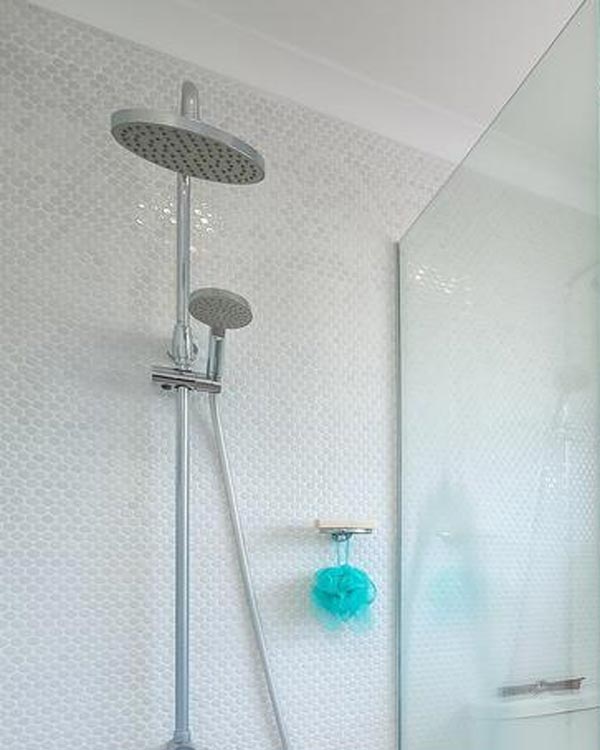
A leaking shower can start as a small problem, such as a few drops of water around the shower area, but ignoring it can allow moisture to reach areas behind tiles, walls and flooring. Over time, this can contribute to mould, dampness, damaged surfaces and more expensive bathroom repairs.
Understanding the common causes of shower leaks can help Tasmanian homeowners recognise problems early and arrange the right solution.
What Causes a Shower to Leak?
There are several reasons why a shower may begin leaking. Some problems are visible, while others can develop behind tiles or beneath the bathroom floor.
Common causes include damaged grout, deteriorated silicone seals, faulty shower fittings, cracked tiles and problems with waterproofing. Older bathrooms may be particularly vulnerable if waterproofing materials have deteriorated over time.
Can Damaged Grout Cause a Shower Leak?
Grout helps seal the joints between bathroom tiles, but it can deteriorate through regular exposure to water and cleaning products. Cracked, missing or loose grout can allow moisture to penetrate into areas behind the tiled surface.
Replacing damaged grout can help restore the surface, but simply regrouting may not solve every leak. If water has already reached the waterproofing layer or structure behind the tiles, further assessment may be required.
What Happens When Shower Silicone Fails?
Silicone is commonly used around shower corners, joints and connections where water needs to be kept away from surrounding surfaces. Over time, silicone can shrink, crack, become loose or develop gaps.
Damaged seals can allow water to escape from the shower area. Replacing deteriorated silicone may resolve a surface-level problem, particularly when the waterproofing underneath remains intact.
Could Waterproofing Be the Problem?
Waterproofing is one of the most important parts of a bathroom because it helps prevent moisture from reaching the building structure. If waterproofing has failed or was not correctly installed, water can potentially move behind tiles and into walls or flooring.
Signs of a possible waterproofing issue can include persistent dampness, mould, unpleasant smells, loose tiles, bubbling paint or water appearing outside the shower area.
In these situations, identifying the source of the leak is important before simply replacing visible grout or sealant.
What Are the Signs of a Leaking Shower?
A shower leak is not always obvious. Homeowners should watch for changes around the bathroom, especially if they appear after showering.
Potential warning signs include:
- Cracked or missing grout
- Loose or damaged tiles
- Mould around shower joints
- Peeling or bubbling paint
- Damp patches on nearby walls
- Water appearing outside the shower area
- Musty smells
- Deteriorating skirting boards or flooring
- Persistent moisture around the shower
Finding these signs early can make it easier to determine the appropriate repair before the problem becomes more extensive.
How Can a Leaking Shower Be Fixed?
The right repair depends on what is causing the leak. A professional may inspect the shower area, grout, silicone, tiles, fittings and surrounding surfaces to identify where moisture is escaping.
Depending on the condition of the shower, repairs may involve replacing damaged silicone, repairing grout, replacing affected tiles, addressing faulty fittings or carrying out more extensive waterproofing work.
A professional assessment is particularly important when there are signs that water has travelled behind the tiles or into surrounding building materials.
Should You Repair or Replace the Shower?
Not every leaking shower requires a complete bathroom renovation. If the problem is limited to damaged seals, grout or fittings, targeted repairs may be enough to restore the shower.
However, extensive water damage, failed waterproofing or widespread deterioration may require more substantial work. Assessing the underlying problem first can help prevent unnecessary repairs and ensure the correct solution is chosen.
Why Should Leaking Showers Be Repaired Early?
A shower leak can continue causing damage every time the bathroom is used. What begins as a small leak may eventually affect surrounding walls, flooring, cabinetry or other materials.
Early repairs can help reduce ongoing moisture exposure and may prevent a relatively simple problem from becoming a larger and more expensive project.
Classic Renovations Tasmania provides bathroom repair and renovation services for homeowners looking to address leaking showers and improve the condition and functionality of their bathrooms.
Protect Your Bathroom From Ongoing Water Damage
A leaking shower should not be ignored, even when the visible problem appears minor. Damaged grout, failed silicone, faulty fittings and waterproofing issues can all contribute to unwanted moisture.
Identifying the cause of the leak is the first step towards choosing the right repair. For Tasmanian homeowners, addressing shower leaks early can help protect the bathroom from further deterioration while maintaining a more comfortable and functional space.